住宅設計|183 square meters|The scenery of the four seasons is like music played leisurely
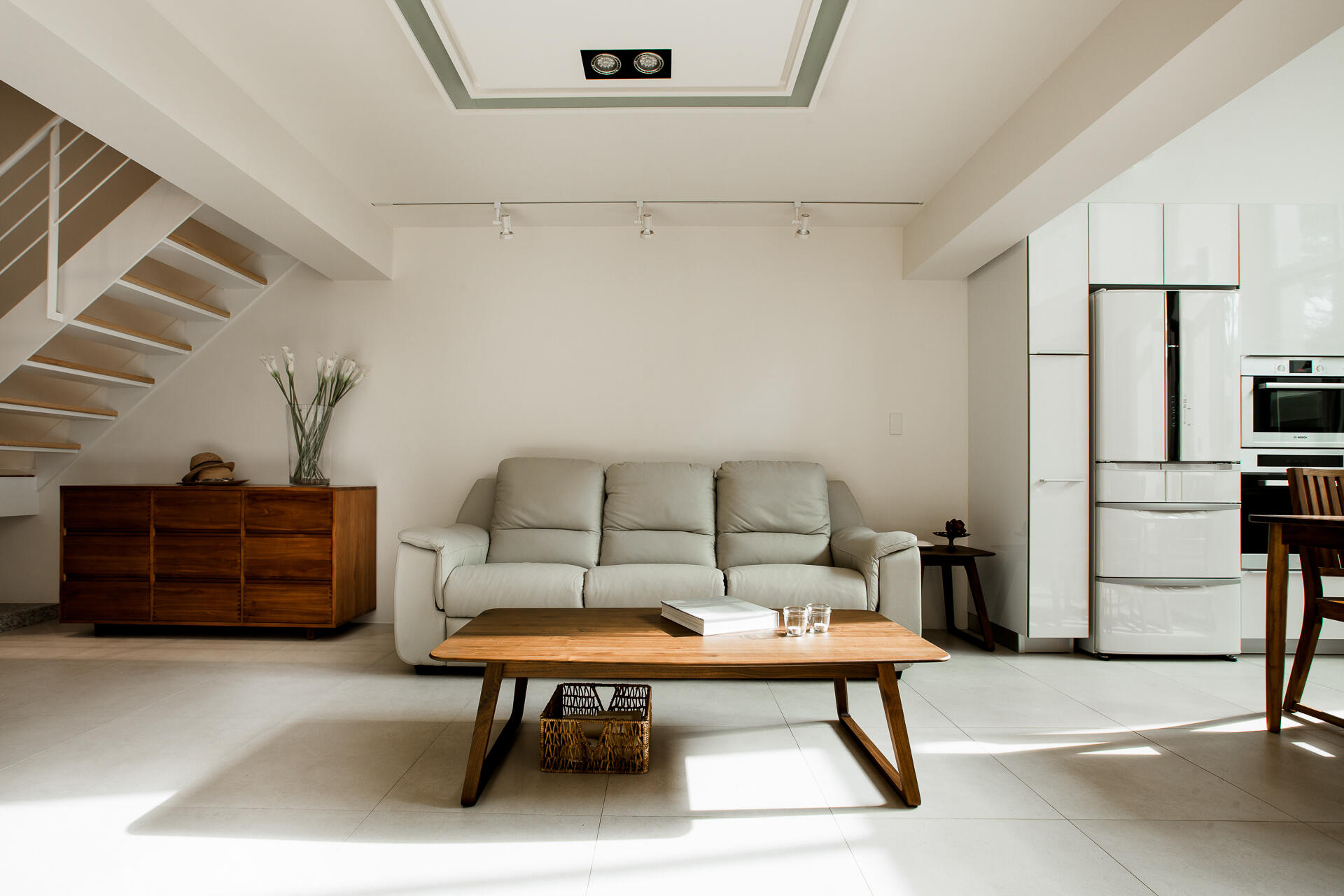
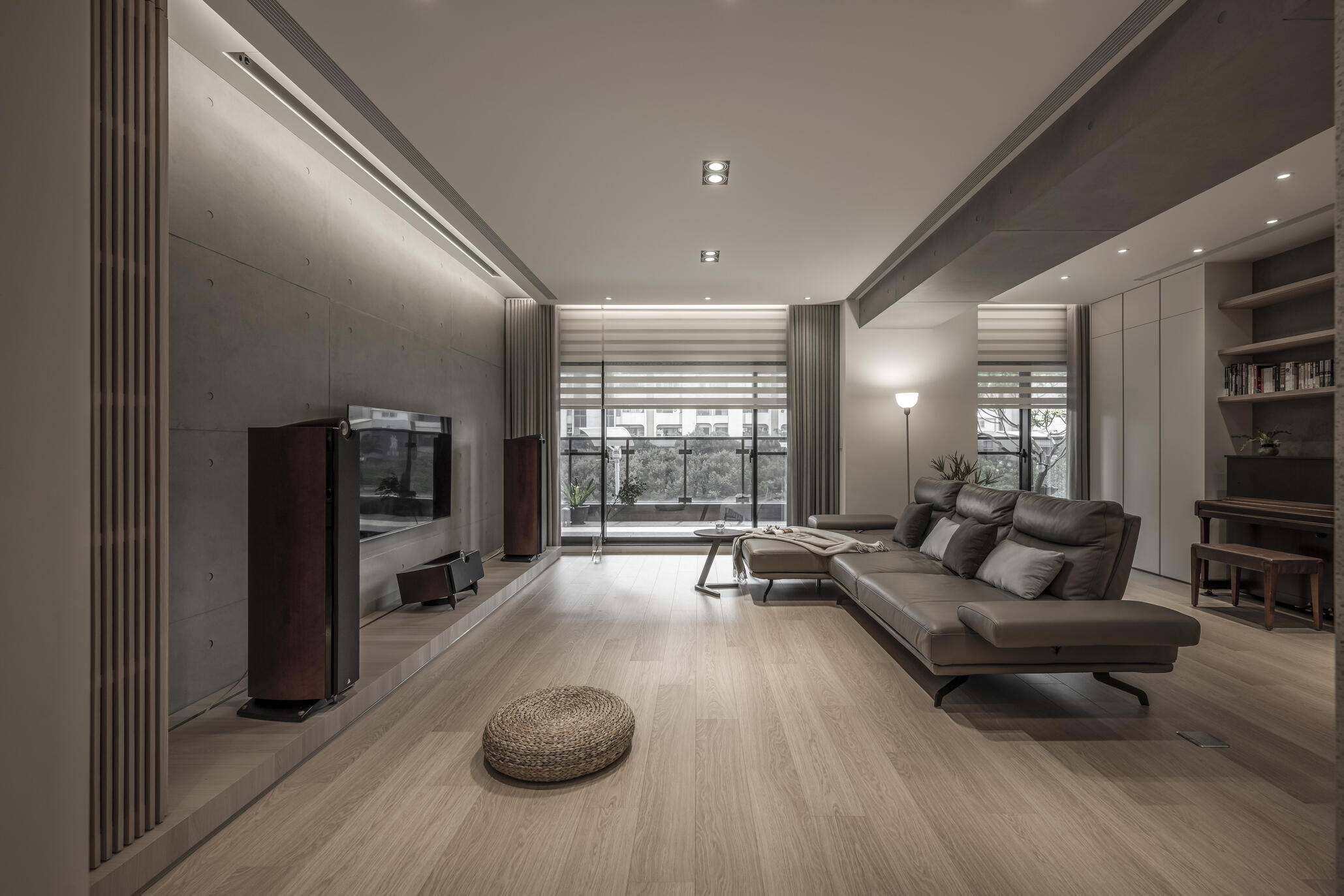
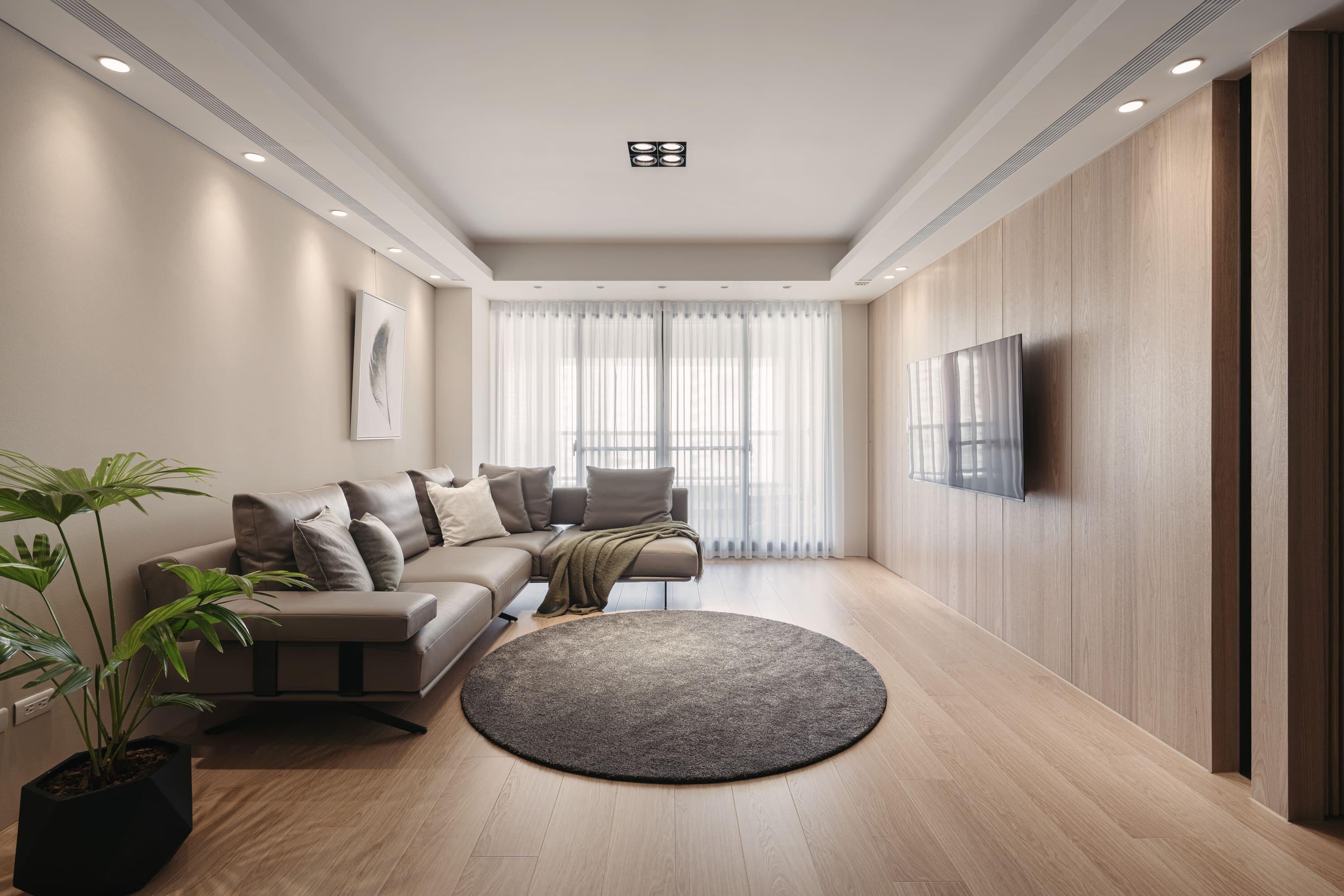
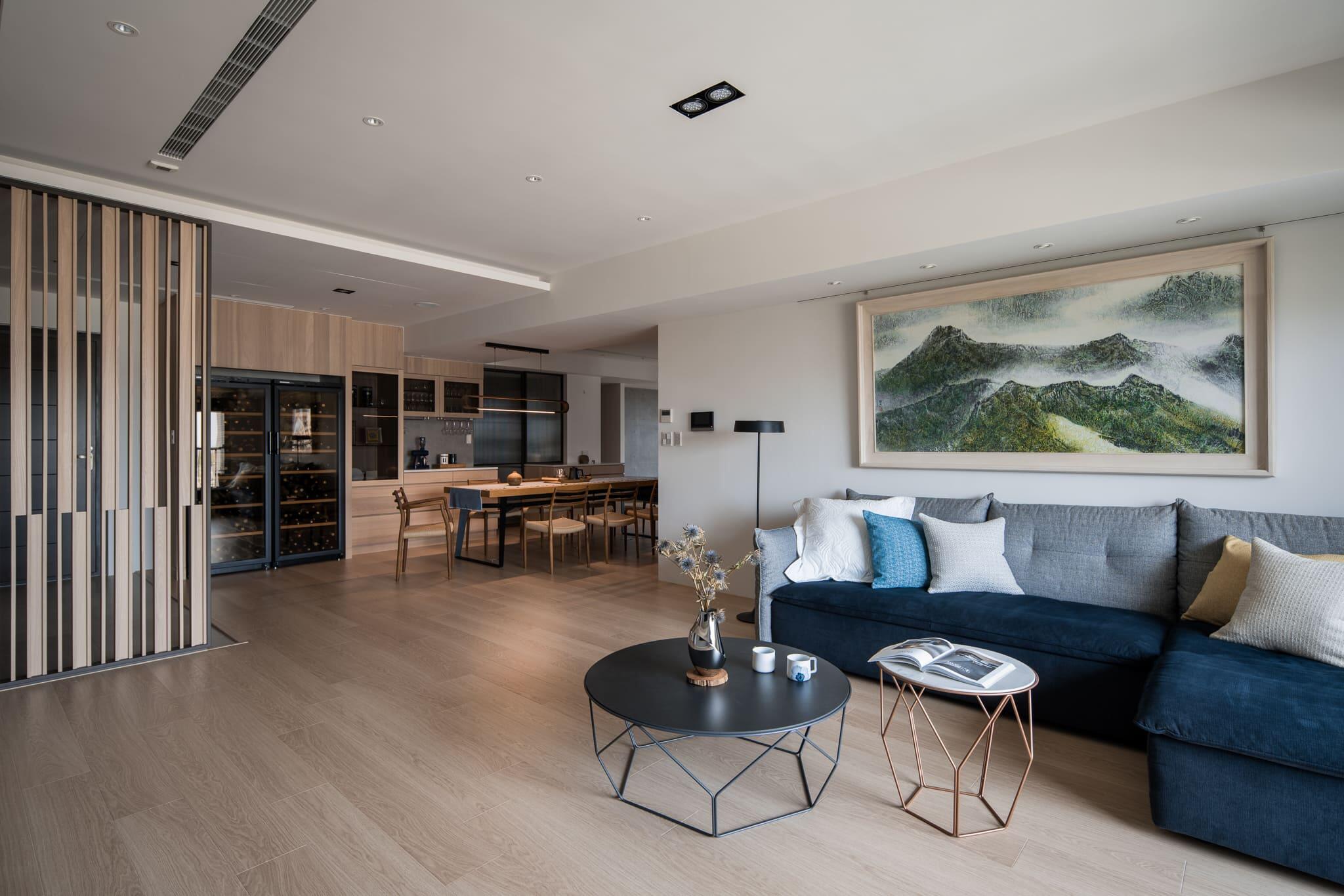
This design project is located in the New Bay Area of Kaohsiung, with views of the sea to the west and mountains to the north. In each space, you can freely roam the beautiful city. In the design and planning of this rough house, the moving lines were reorganized to position the space, and the spatial advantages were used to fully expand the line of sight, presenting an invincible view of the landscape, making the grand style of a luxury residence come to life. The focus of rough house decoration is to retain the sense of openness and hierarchy of the space, and to add profound artistic heritage. The materials are selected to express the appearance of the space, such as thin art bricks imported from Italy, which have a gradient feel like watercolor brushes; large-size rectangular thin bricks are also laid to reduce dividing lines and blurred grooves to achieve the visual sense of enlarging the space.