


- Fair-faced concrete decoration
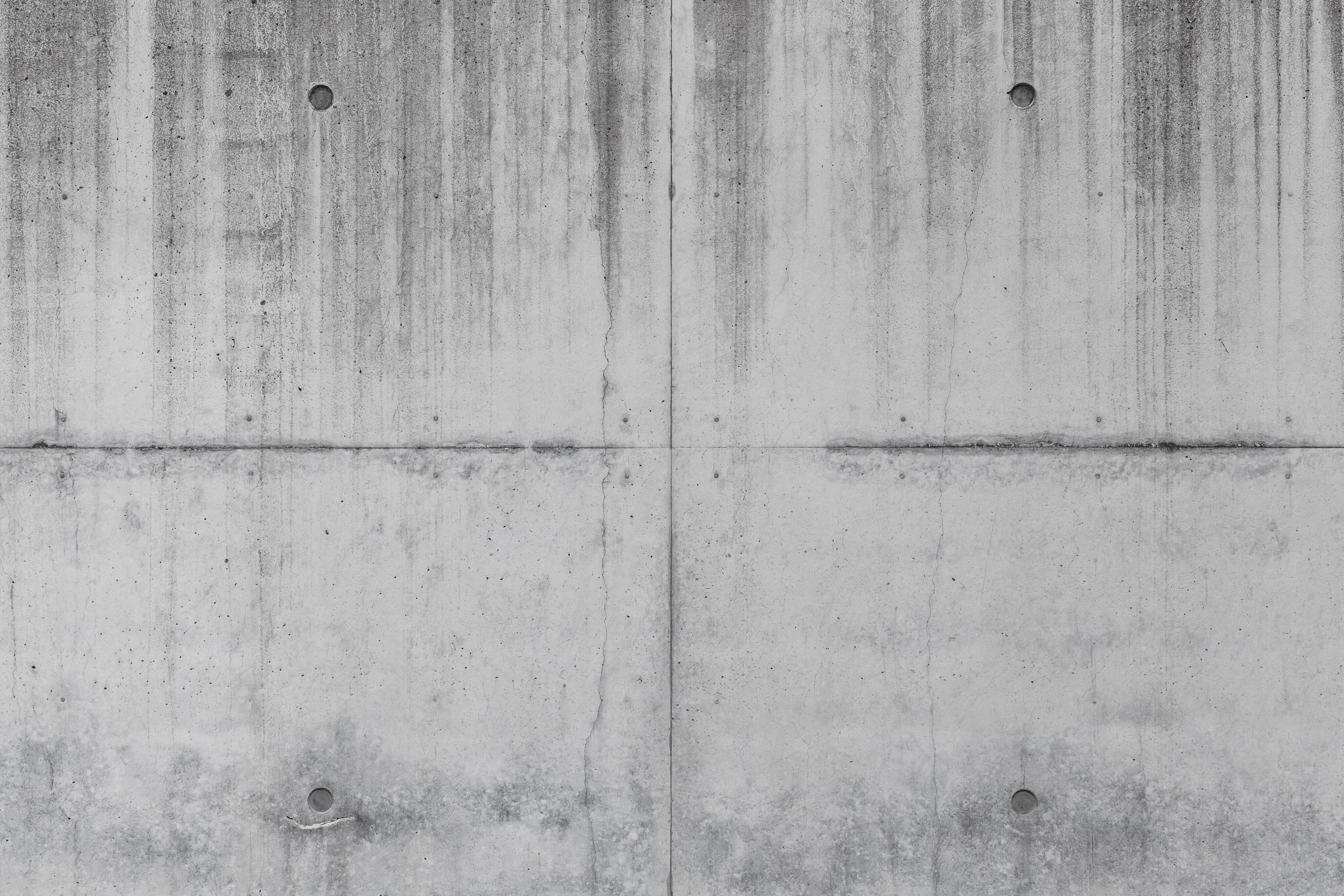
Exposed concrete refers to architectural fair-faced concrete, made from a mixture of cement, mortar, and water. After pouring and removing the formwork, it retains the original mold texture, seams, and coloration. It is often used on structural beams, columns, partitions, and walls. The material itself is highly moldable and remains a prominent element in architectural expression today. The renowned Japanese architect Tadao Ando is internationally known for his extensive use of exposed concrete in residential and public buildings, such as his “Church Trilogy” (Church of the Wind, Church of the Light, Church on the Water), which embody the philosophy of coexistence with nature. With concrete, glass, and steel framing, Ando created architecture rich in Zen aesthetics, inspiring global architectural trends. The gray tones and raw, unfinished look of exposed concrete integrate into home design, presenting a pure, serene, and rustic beauty—its unique charm remains timeless.
The production process of exposed concrete is complex and requires a high level of craftsmanship. It is technically demanding in both design and construction, and the work hours are lengthy. It tests the architect’s skills and is relatively costly. Therefore, there are now alternative finishes such as “faux exposed concrete paint,” which replicate the look and texture of real concr
- Nordic style decoration
The Nordic ecological climate and geological features are defined by long, cold winters. Some regions showcase glacial landscapes that feel like a fairytale world of ice and snow. These conditions have shaped the Nordic spirit—resilient, vibrant, and deeply connected to nature. This has inspired a style that emphasizes sustainability, simplicity, purity, clarity, and freshness. As a result, Nordic-style interior design focuses on bright, natural elements to shape the overall space, reflecting a slow-living lifestyle that fosters interaction between people and nature, and a dialogue between the soul and the surroundings.
The ideal color palette for Nordic style is typically composed of 80% white, 10% wood tones, 5% gray, and 5% bold accent colors for highlights. It also places importance on natural lighting and light-colored schemes. The use of natural materials such as wood, rattan, cotton and linen, exposed brick walls, wooden flooring, and indoor greenery brings nature indoors. Alternatively, beige-gray artistic coatings on walls evoke a sense of peace and comfort. Bold lighting fixtures and soft furnishings in vibrant colors add energy to the space. Though the material selection in Nordic style is minimal and refined, it enriches spatial layering and creates an effortlessly balanced aesthetic.
- Modern style decoration
Modern style emphasizes the efficient integration of circulation and spatial functionality. It uses clean, crisp lines to outline spatial depth and transparency, creating a refined, minimalist aesthetic with a sense of sophistication and restraint. By combining neutral tones with high-quality materials—such as wood, metal, mirrored glass, and marble—it creates an elegant yet warm home atmosphere. Modern interior design not only highlights visual appeal but also focuses on comfort and practicality, making the space both beautiful and functional. It is an ideal choice for today’s urban dwellers.
- Japanese style decoration
Japanese-style design uses clean lines, wood materials, and natural elements paired with soft, earthy neutral tones to create a calm and harmonious atmosphere. It embodies a simple, elegant aesthetic that delivers a warm and comforting home experience. This style transcends age and time, offering a timeless appeal rooted in simplicity and authenticity. Its understated charm resonates with those seeking a design that reflects the essence of daily life. Among the various expressions of Japanese interiors, the most common sub-styles include Zen, MUJI-inspired minimalism, and Wabi-Sabi. At PUZUO Design, we focus on how different materials influence the spatial experience, ensuring that the essence of Japanese style is fully expressed in your home environment.

PROJECT